![[logo]](https://internationalministries.org/wp-content/themes/blankslate/images/im-logo.png)





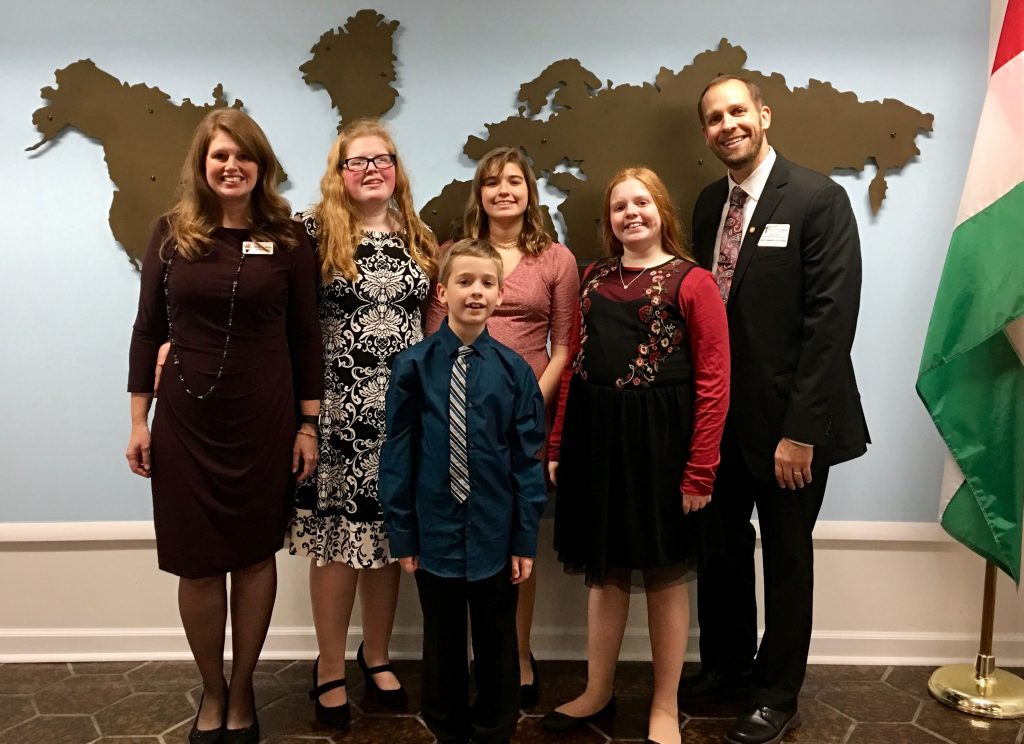
It is exciting to share that we will arrive in Hungary at the end of November. We have so much for which to be thankful. God has been faithful in our partnership building and you, our partners, have been supportive, generous, and prayerful. We praise the Lord for being on mission together with you. Thank you for your many prayers, notes of encouragement, financial gifts, and amazing Commissioning service. Our gratitude for you can only be matched by the joy we feel in having the opportunity to join with our Hungarian brothers and sisters to tell all about this new life in Christ.
We treasure your continued prayers and support as we begin this new ministry. Specifically, please pray:
-for smooth packing and travel, including correct documentation for our dog, Pepper.
-that Rachel, Sarah, Elizabeth, and Andrew transition well.
-for a house that feels like home in Hungary.
-that we will find joy in language learning.
We are especially thankful for our Missionary Partnership Team. Paula Hall is the convener of our team. Assisting with giving and financial support is Mike Kingsbury. Gwen Lett and James Vinson coordinate love, support, and care for the Good kids. James also helps with technology. Prayer and pastoral care are provided by Rev. David and Sharon Good and Leon and Evlyn Parrish. Keeping our SixGoodsGo Facebook account interesting is Susan Rhodes. Kori and Rev. Mark Pyenta help us stay connected to our supporters. Our Mission Energizers are Rev. Danny and Renée Langley. Providing help with moving and logistics is Amanda Grant. We also have regional team members who represent SixGoods Go: Rev. Dr. Ivan Greuter in the Central Region and Rev. Dr. Robert and Melissa Henderson in the Great Rivers Region.
The words of the apostle Paul in Philippians reflect the thankfulness we feel. Paul says, “In all my prayers for all of you, I always pray with joy because of your partnership in the gospel from the first day until now.” We praise God for the opportunity to serve Christ in Hungary and we thank you for your partnership in the gospel.

![[pie chart]](https://internationalministries.org/wp-content/themes/blankslate/getPieChart2.php?p=0.91)


